

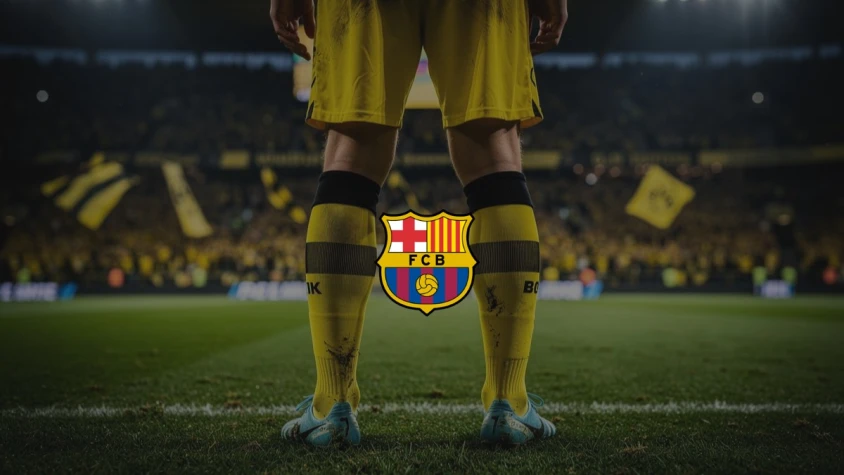
When budget constraints dictate transfer strategy
FC Barcelona are monitoring Borussia Dortmund full-back Julian Ryerson as a potential backup for Jules Koundé, according to Sky Sports journalist Patrick Berger. Initial talks have taken place between Ryerson's representatives and Barcelona, though nothing is advanced or concrete at this stage. The 28-year-old Norwegian defender, under contract with Dortmund until 2028, is reportedly open to a summer transfer. Barcelona's interest reflects their ongoing search for cost-effective solutions to strengthen their defense without destabilizing a wage structure that remains under intense financial scrutiny.
Ryerson isn't the glamorous signing that generates headlines, but he fits Barcelona's current reality: a club operating under strict fiscal limitations that can't afford premium transfer fees or inflated salaries. The Catalan giants need defensive depth behind Koundé, and Ryerson represents a pragmatic option—reliable, consistent, and economically viable. Whether that pragmatism translates into adequate quality for a club of Barcelona's ambitions is the real question.
Guadalajara vs Barcelona today : how to watch Copa del Rey ?
Why Ryerson makes sense financially but not competitively
Ryerson's appeal to Barcelona is straightforward: he's competent, versatile, and wouldn't command a fee or wages that strain their budget. At 28, he's experienced enough to contribute immediately without needing extensive development. He's performed consistently for Dortmund, demonstrating the reliability that backup defenders require. But here's the uncomfortable truth—signing Ryerson as your solution to defensive depth is an admission that Barcelona can't compete financially with Europe's elite anymore.
A decade ago, Barcelona would've targeted the best young full-back available, paid whatever it took, and integrated them into a squad built to win Champions League titles. Now they're considering a 28-year-old backup from Dortmund who's good enough to do a job but not exceptional enough to elevate the squad. That's not a criticism of Ryerson—it's an indictment of Barcelona's financial mismanagement that's forced them into this position. When your transfer strategy revolves around "cost-effective solutions," you're not building a championship roster. You're managing decline.
The Schlotterbeck alternative that exposes Barcelona's limits
Barcelona also considered Nico Schlotterbeck, Dortmund's center-back, but BVB's €50 million asking price killed that interest immediately. Schlotterbeck is 25, a German international, and exactly the type of defender Barcelona should be targeting if they were serious about rebuilding their defense properly. But they can't afford him. That's the reality. A €50 million transfer fee isn't outrageous for a player of Schlotterbeck's quality and age—it's market rate. Barcelona walking away because they can't meet that price shows how far they've fallen from the financial power they once wielded.
So instead of Schlotterbeck, who would genuinely improve Barcelona's starting XI, they're exploring Ryerson, who's a backup option at best. That's the difference between competing for titles and hoping to stay relevant. Barcelona can't afford the players they actually need, so they're settling for the players they can afford. That strategy might keep them afloat financially, but it doesn't win trophies.
The Koundé dependency problem this doesn't solve
Barcelona need a backup for Jules Koundé because they're overly reliant on him staying healthy and maintaining form. Koundé has been excellent, but what happens when he's injured or suspended? The drop-off in quality becomes severe if your backup is a 28-year-old from Dortmund who wasn't good enough to lock down a starting spot there. Ryerson is competent, but competent doesn't win you La Liga when Real Madrid have better depth across their entire squad.
The real issue is that Barcelona should be signing someone capable of challenging Koundé for the starting spot, not just providing emergency cover. Elite clubs have two quality options for every position, creating internal competition that raises everyone's level. Barcelona are instead settling for a clear hierarchy where Koundé plays every important match and Ryerson fills in when absolutely necessary. That's not depth—that's making do with insufficient resources and hoping nothing goes wrong.
Why this reflects broader structural problems
Barcelona's interest in Ryerson isn't just about finding a full-back—it's symptomatic of how their financial constraints are forcing compromises across the entire squad. They can't afford premium transfers, can't offer competitive wages to top targets, and are constantly searching for "economically viable" options that fit within La Liga's salary cap restrictions. That's a recipe for mediocrity, not excellence. You don't build championship teams by constantly looking for bargains and cost-effective solutions.
Other top European clubs aren't operating this way. Real Madrid signed Jude Bellingham for €103 million. Manchester City spent over €100 million on Joško Gvardiol. Bayern Munich paid €70 million for Harry Kane. These clubs identify the players they need and pay market rates to acquire them. Barcelona are stuck negotiating for Dortmund's backup full-back because their financial mismanagement over the past decade has eliminated their ability to compete in the transfer market properly. Ryerson isn't the problem—he's a symptom of much deeper structural issues.
The summer timeline and what it means
Berger reports that Ryerson is open to a summer move, which means this isn't an urgent January priority. Barcelona are planning ahead, which is responsible squad management. But it also means they're accepting another six months with inadequate defensive depth, hoping that injuries don't expose their lack of quality backups. That's a gamble, especially when competing in multiple competitions and dealing with fixture congestion.
If Barcelona were genuinely ambitious, they'd find a way to strengthen in January rather than waiting until summer. But they can't, because their financial situation doesn't allow mid-season spending without significant player sales. So they'll continue with their current squad, hope nothing goes wrong, and revisit defensive reinforcements in six months when they might have slightly more financial flexibility. That's not ambition—that's damage limitation.
What this signing would actually accomplish
If Barcelona complete the Ryerson transfer, they'll have addressed their immediate need for a Koundé backup without breaking their budget. That's the best-case scenario. They'll have a competent professional who can fill in when required and won't destabilize the wage structure. Mission accomplished from a financial perspective. But from a competitive standpoint, they'll have added a player who doesn't meaningfully improve their chances of winning major trophies.
That's the depressing reality of Barcelona's current situation. They're making sensible financial decisions that don't translate into competitive advantage. Ryerson won't make them worse, but he won't make them significantly better either. He's a placeholder, a short-term fix that avoids addressing the fundamental issue: Barcelona don't have the financial resources to build a squad capable of competing with Europe's best. And until that changes, they'll keep signing players like Ryerson—solid, unspectacular, and ultimately insufficient for a club with their history and expectations.


