

The validation Beckham desperately needed
David Beckham stood on the pitch at Inter Miami's MLS Cup triumph, barely containing his emotions, and admitted something rare in modern football: 'There have been many sleepless nights.' Not the polished PR answer. Not the corporate platitude. Genuine admission that building this franchise from nothing, convincing Lionel Messi to join, and delivering the promised silverware nearly broke him.
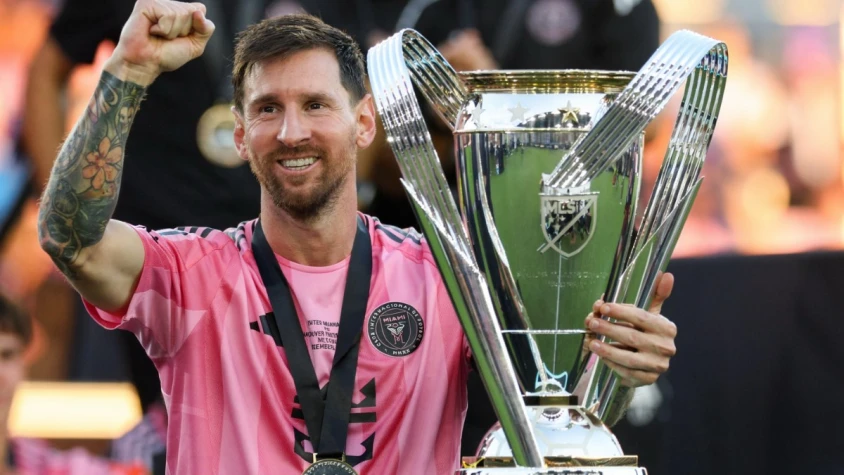
Inter Miami beat Vancouver 3-1 to win their first MLS Cup, with Messi providing two assists in a performance that justified every dollar of his contract and every promise Beckham made. This wasn't just a trophy—it was vindication of a vision that looked increasingly desperate before Messi arrived. Beckham co-owns this club since 2018. It took five years, one generational talent, and apparently countless sleepless nights to deliver what was promised. That's the reality of building football clubs, stripped of the glamour.
Messi's tribute to his Barcelona brothers
Lionel Messi's post-match comments carried genuine weight, particularly regarding Jordi Alba and Sergio Busquets, who played their final professional matches in this final: 'I'm happy for them. Finishing their careers this way is very pleasant for everyone. A beautiful adventure ends for them, an adventure they've dedicated their entire lives to. I wish them all the best. They're two friends I love very much, and I'm happy they can leave with this title.'
Strip away the sentiment and focus on what Messi actually said: these players dedicated their entire lives to football, and their reward is ending with an MLS Cup rather than another Champions League. That's not disrespecting MLS—it's acknowledging reality. Alba and Busquets were Barcelona royalty. They won everything European football offers multiple times over. Their final act is winning a league most of the football world doesn't take seriously. The emotional framing is lovely. The actual trajectory is sobering.
Messi described the MLS championship as 'the ultimate prize.' For Inter Miami, absolutely. For a player who's won seven Ballon d'Ors, four Champions Leagues, and a World Cup? Let's not pretend an MLS Cup ranks anywhere near those achievements. But Messi said what needed saying because he's a professional who understands his current context. He made Miami relevant. He delivered the promised trophy. The fact it's MLS rather than La Liga doesn't diminish the accomplishment within its own ecosystem.
The uncomfortable truth about Miami's 'project'
Beckham's emotional revelation about sleepless nights and his insistence that 'I've always believed in Miami and creating a team here' requires some context. Inter Miami were a laughingstock before Messi arrived. They weren't competitive. They weren't relevant. They were a vanity project owned by celebrities that happened to play football occasionally. Then they bought their way to relevance by signing arguably the greatest player ever and bringing his Barcelona friends along for the ride.
That's not building a club—that's buying immediate success with resources most MLS franchises can't match. The 'sleepless nights' weren't about tactical development or youth academy integration or sustainable sporting philosophy. They were about convincing Messi to come to Florida, navigating MLS salary cap gymnastics to accommodate his wages, and hoping the whole expensive gamble paid off before public patience ran out. It worked. But let's not romanticize what this actually was: checkbook football in a league supposedly designed to prevent exactly that.
Beckham promised fans they'd 'bring in the best players and win.' They did precisely that—brought in the single best player available and let him win things. There's nothing wrong with that approach if you have the money and connections. But it's not the inspiring underdog story the emotional framing suggests. Miami won because they could afford Messi. Vancouver lost because they couldn't. That's not sporting romance—that's financial reality dressed up with pretty speeches.
What Vancouver's performance actually proved
Credit where it's due: Beckham acknowledged Vancouver's quality, noting they 'played an excellent match and put us under a lot of pressure. After their (equalizing) goal, they dominated us.' That's accurate. Vancouver equalized and had Miami genuinely troubled. Then Messi happened, because that's what $60 million-per-year talents do—they create moments ordinary players can't.
Vancouver's performance demonstrated something important about MLS: the competitive balance mostly works until you allow one team to essentially bypass salary cap rules by signing a player whose actual value exceeds what the league structure permits. Miami won this final not through superior coaching, better tactical preparation, or deeper squad quality. They won because when the game was tight, they had Lionel Messi and Vancouver didn't. That's not competitive sport—that's inevitable outcome when financial rules allow massive disparity.
Beckham said 'when you give the ball to Leo, he creates chances.' Yes, because he's Lionel Messi. That's not tactical insight—that's stating the obvious. What Beckham didn't say: without Messi, Miami probably aren't in this final. Without Messi, the 'sleepless nights' continue indefinitely. The entire project's success hinges on one player's continued presence and performance. That's not sustainable club-building. That's expensive short-termism that happens to be working right now.
The farewell tour problem nobody discusses
Alba and Busquets retiring after this triumph creates a genuine issue Miami will face soon: when Messi eventually leaves or declines, what's actually left? This wasn't building a club culture or developing a sustainable model. This was assembling Barcelona's retirement home and hoping they had enough left to win before age caught up completely. It worked for one season. What happens in the next two when Messi is 39 and his supporting cast is gone?
The romanticism around Barcelona teammates reuniting in Miami obscures a harsh truth: these players came to wind down their careers in a less demanding league, not to build something lasting. That's fine—plenty of aging stars have done exactly that in MLS. But calling it 'building a franchise' or celebrating sleepless nights over creating this feels disingenuous. They bought aging superstars, won immediately as expected, and now face replacing them without the same marquee appeal that made the project work.
Messi's tribute to his friends was genuine and touching. The reality underneath is less heartwarming: these elite players chose comfortable retirement over continued competition at the highest level, and Miami paid handsomely for their remaining quality. That's a transaction, not a sporting fairy tale. The emotions are real. The underlying economics are ruthlessly pragmatic.
Beckham's promise versus actual execution
'We promised our fans we would bring in the best players and win,' Beckham declared. He kept that promise by doing exactly what wealthy owners do: spending whatever necessary to buy immediate success. The 'sleepless nights' weren't about sporting innovation or building foundations—they were about navigating the politics and finances required to circumvent league restrictions designed to prevent exactly what Miami did.
That's not criticism of Beckham's approach—it's acknowledgment of what actually happened. If you have the resources and connections to sign Messi, you sign Messi. But don't dress it up as some inspirational journey of belief and perseverance. It's expensive gambling that paid off because the player they bet on is historically great. Plenty of wealthy owners make similar bets and fail because their expensive signings don't perform. Miami succeeded because Messi is Messi, not because Beckham's vision was particularly innovative.
The emotional weight Beckham described is probably genuine—owning a football club is stressful regardless of resources. But those sleepless nights came with safety nets most club owners never have: celebrity status that attracts players, wealth that permits risks, and ultimately the ability to sign arguably the sport's greatest-ever player. That context matters when evaluating the 'journey' being celebrated.
What this actually means for MLS
Inter Miami winning MLS Cup with Messi providing the decisive contributions proves something uncomfortable about the league: the competitive balance everyone celebrates collapses immediately when one team finds loopholes to sign players of vastly different quality than salary cap rules should permit. That's not Miami's fault—they used available mechanisms. But it exposes that MLS's vaunted parity only exists until someone wealthy enough exploits the system's flexibility.
The league will market this as validation—Messi in MLS, winning trophies, raising the profile. Perhaps. But it also demonstrates that for all the talk of sporting meritocracy and balanced competition, money still determines outcomes when permitted. Vancouver gave everything they had. Miami had Messi. The result was never genuinely in doubt once quality gaps that large exist.
Beckham promised next year they'll 'start again,' but with what? Messi aging, his Barcelona friends retired, and no obvious replacement for the star power that made this work. Miami won their trophy. The harder question is whether this model sustains beyond its initial expensive gamble paying off, or whether the sleepless nights return once the marquee names fade and actual club-building becomes necessary.
The bottom line about buying success
Inter Miami won MLS Cup because they signed Lionel Messi and let him do what he's done for two decades: create moments ordinary players cannot. David Beckham's emotional admission of 'sleepless nights' humanizes the journey, but doesn't change what this actually was: expensive short-term success bought by circumventing league structures designed to prevent exactly this kind of immediate dominance.
That's not wrong—it's just reality stripped of romantic framing. They had resources, used them, and won. Messi delivered as expected. Alba and Busquets got their farewell trophy. Beckham got vindication. Vancouver got a harsh lesson about what happens when financial disparities overwhelm competitive balance. Everyone got what money could buy.
The genuine test comes next: whether Miami built anything sustainable, or whether this was simply an expensive moment bought by one generation of aging superstars before the whole project needs rebuilding. Beckham's sleepless nights might just be beginning.