

The economics of art as an investment
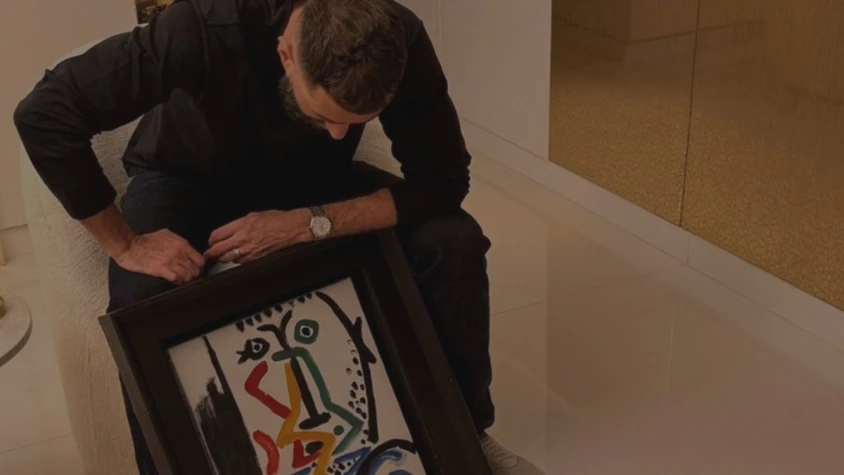
Karim Benzema posted a photo with a Picasso titled "Portrait d'homme barbu" from 1964. He didn't caption it as a flex. He captioned it as an acquisition. That matters because it suggests genuine intent—he's buying the painting as an asset, not just decoration.
This is actually smart financial strategy. Picasso works consistently appreciate. They trade at auction for millions. Unlike cars or watches that depreciate the moment you buy them, paintings maintain value or increase it over time. For an athlete who's made enormous sums of money over his career, art is one of the few tangible assets that works as both a store of wealth and a hedge against inflation.
Why footballers invest in art instead of just keeping cash
Top players earn astronomical wages and sponsorship money. But that money comes with complications. Currency risk is real—the euro fluctuates, the pound moves, the dollar shifts. When you're earning in multiple currencies across different countries, you need places to put capital that don't lose value.
Art serves that purpose. A Picasso painting doesn't care about exchange rates. It has intrinsic value because collectors worldwide want it. You can store it, insure it, and sell it decades later knowing you'll likely get more than you paid. That's not true for most luxury goods.
The legitimacy of the luxury market
It's worth noting that buying high-end art isn't wasteful for these athletes the way buying twenty supercars is. Art collecting has a real economic function. Museums want these pieces. Auction houses exist for a reason. The market is transparent and regulated. If Benzema wants to liquidate this Picasso in five years, he can. Multiple galleries in Paris or London would facilitate that sale immediately.
Compare that to someone spending five million euros on a watch they'll never wear. That's just money burning. A painting is different. It's an asset with documented provenance, insurance value, and a liquid market.
It's also about access and lifestyle
That said, let's not pretend this is purely financial. Benzema visiting the Louvre and then buying a Picasso also signals something about how he wants to be perceived. He's positioning himself as cultured, as someone with refined taste. That matters when you're a public figure. It separates him from the stereotype of the footballer who only thinks about cars and nightclubs.
For athletes with generational wealth, this becomes part of identity management. You're not just a player anymore. You're a collector. You're someone who understands art. That's valuable in ways that aren't purely monetary.
The practical side of sports wealth
Footballers know their careers are finite. A serious injury, a decline in performance, and the income stops. So they need diversified assets. Art, real estate, business investments—these aren't luxuries. They're necessities for protecting wealth beyond the playing years.
Benzema earned extraordinary money at Real Madrid over more than a decade. That kind of wealth needs to be managed properly. Buying a Picasso isn't indulgence. It's asset allocation. It's what financial advisors tell wealthy clients to do.
