

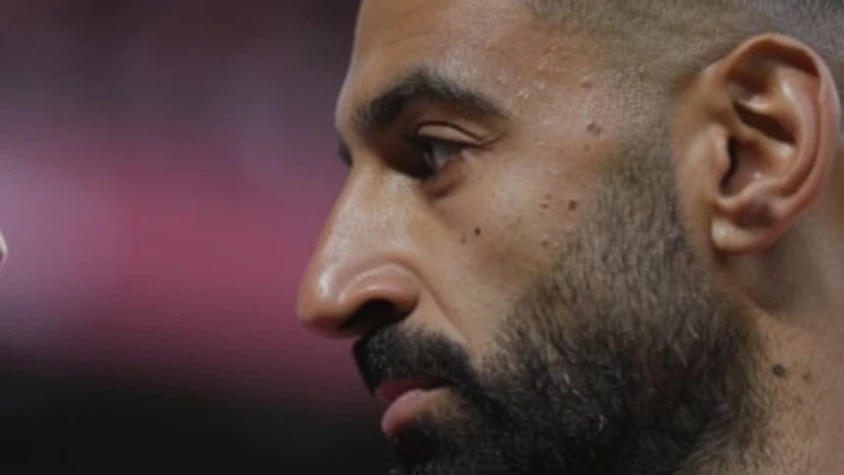
When a pilgrimage becomes a headline
Mohamed Salah is traveling to Saudi Arabia before joining Egypt's squad for the Africa Cup of Nations, according to Saudi broadcaster Al-Riyadiya. The Liverpool forward is reportedly stopping in Jeddah to undertake the Umrah pilgrimage and may also meet with the Saudi Ministry of Tourism before heading to Morocco to link up with his national team. This isn't a transfer saga or contract negotiation—it's a Muslim athlete fulfilling religious obligations during a break in his club schedule. But because it involves Salah and Saudi Arabia, the internet immediately turned it into speculation about his future.
Let's be clear: Salah performing Umrah is completely normal. Millions of Muslims make this pilgrimage annually, and professional footballers are no exception. The fact that he's stopping in Saudi Arabia on his way to AFCON makes logistical sense given Morocco's proximity and the timing of his international duty. But the context—his uncertain Liverpool future, Saudi Arabia's aggressive pursuit of elite players, and his recent outburst after the Leeds match—means this trip will be analyzed for hidden meanings that probably don't exist. Sometimes a pilgrimage is just a pilgrimage, not a farewell tour.
Liverpool's recent form and Salah's role
Liverpool has regained stability after a rough patch that saw them lose to Manchester United, Manchester City, Brentford, and Nottingham Forest. That four-game losing streak was alarming for a team that started the season with five straight wins under Arne Slot. The 2-0 victory over Brighton, with Hugo Ekitike scoring both goals and Salah assisting the second, provided the momentum Liverpool needed heading into the festive period. Next up is an away match at Tottenham, who are also struggling after a 3-0 loss to Nottingham Forest.
Salah's involvement against Brighton was significant because it came after his "fiery outburst" in the mixed zone following the Leeds match. The article doesn't specify what was said, but Salah's body language and public comments this season have suggested frustration with contract negotiations and his long-term future at Liverpool. He assisted Ekitike's goal, showing he's still contributing on the pitch despite off-field distractions. But his absence for AFCON during the busiest part of the season creates challenges for Slot, who needs consistent results to keep Liverpool competitive in multiple competitions.
The AFCON timing and Liverpool's depth concerns
Salah leaving for AFCON during the festive period is nothing new—this happens every tournament cycle when African stars miss crucial league and cup matches. Liverpool knew this was coming and should have planned accordingly, but losing your most productive attacker for several weeks always creates problems. Ekitike scoring twice against Brighton offers hope that Liverpool has attacking depth, but relying on him to replace Salah's production consistently is asking a lot from a player still finding his footing in the Premier League.
Slot needs results during Salah's absence to prove Liverpool can compete without their talisman. If they struggle, it reinforces how dependent they are on one player and raises questions about squad construction. If they thrive, it suggests Liverpool have successfully integrated new attacking options and aren't solely reliant on Salah's individual brilliance. Either outcome has implications for Salah's contract negotiations—if Liverpool prove they don't need him as desperately, his leverage decreases. If they collapse without him, his value increases dramatically.
The Saudi Arabia angle that won't go away
Salah stopping in Saudi Arabia for Umrah is religiously motivated, but it's naive to pretend there's no subtext given Saudi Arabia's aggressive recruitment of elite players. The mention of a potential meeting with the Saudi Ministry of Tourism adds another layer—is this genuinely about promoting tourism, or is it an opportunity for informal discussions about future opportunities? Saudi clubs have publicly pursued Salah for years, offering astronomical contracts that dwarf anything Liverpool can or will pay.
But here's the reality: Salah doesn't need to travel to Saudi Arabia to negotiate a transfer. His agents handle that. If he's making this trip for Umrah, that's the primary reason. The tourism ministry meeting could be promotional work unrelated to playing there. Or it could be relationship-building for a potential post-retirement role. Speculation is easy when a player's contract situation is unresolved and the destination has been openly pursuing him. But until Salah or his representatives say otherwise, assuming this is a farewell tour requires ignoring the religious significance of Umrah and projecting motives that may not exist.
Liverpool's contract situation and the uncertainty ahead
Salah's Liverpool contract expires in 2026, meaning the club faces a critical decision: extend him now, sell him this summer, or risk losing him for free next year. His recent outburst and public frustration suggest negotiations aren't going smoothly. Liverpool's ownership has been reluctant to offer long-term, high-wage deals to players over 30, which is why Sadio Mané left and why Salah's future remains unresolved. The club wants to avoid another situation where an aging star's decline coincides with a massive contract.
But Salah isn't declining—he's still Liverpool's most dangerous attacker and one of the Premier League's elite forwards. Walking away from that production because of age concerns would be short-sighted unless Liverpool genuinely believe they can replace him. The Brighton match showed they have attacking options, but one good performance doesn't prove sustainable depth. If Liverpool let Salah leave without a clear succession plan, they're gambling on unproven players maintaining the output of a proven elite forward. That's risky even if the logic behind not extending a 33-year-old makes financial sense.
Why this matters beyond one trip
Salah's stop in Saudi Arabia is significant only because of the broader context: his contract uncertainty, Saudi Arabia's recruitment efforts, and Liverpool's need to manage his eventual departure. This specific trip is about fulfilling religious obligations, but it's happening at a moment when every move Salah makes gets analyzed for transfer implications. That's not his fault—it's the reality of being an elite player whose contract situation remains unresolved while a wealthy league actively pursues you.
Liverpool fans should focus less on this trip and more on whether the club can secure Salah's future or successfully transition away from him. The trip to Saudi Arabia doesn't change anything except optics. What matters is whether Liverpool match his ambition with a contract offer that keeps him, or whether they've already decided to move on and are preparing for life after Salah. That decision will define Liverpool's next few years far more than one pilgrimage stop ever could.