

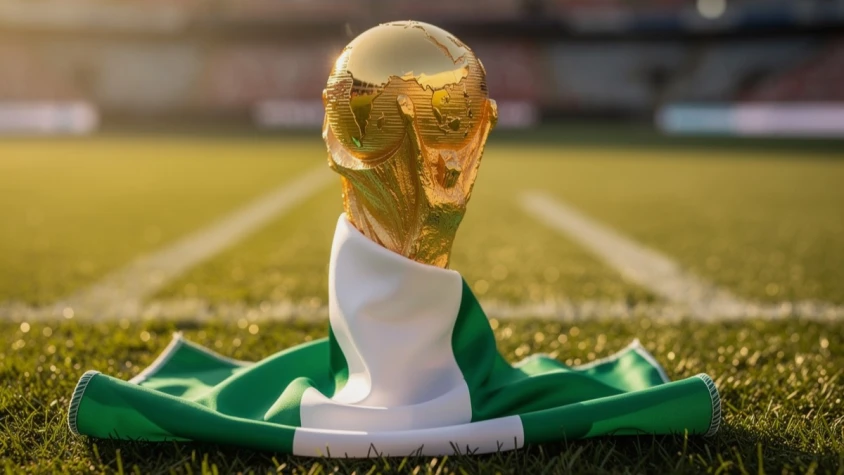
When losing on the pitch leads to legal challenges
Nigeria has filed an appeal against the Democratic Republic of Congo over alleged irregular player registration in the African World Cup playoffs, according to Arise News. The complaint centers on nine players who switched nationalities and participated in the final against Nigeria—including Axel Tuanzebe (England), Arthur Masuaku (France), Aaron Wan-Bissaka (England), and Rocky Bushiri (Belgium). Nigeria claims the legal and administrative procedures required for these nationality changes weren't completed in time, making these players ineligible for the match that sent Congo DR through to the intercontinental playoff.
This is the kind of messy legal dispute that threatens to overshadow what should be a straightforward sporting result. Congo DR won the match on the field and advanced to face the winner of New Caledonia versus Jamaica in the final intercontinental playoff. But now, instead of preparing for that crucial tie, they're defending their qualification against a Nigerian appeal that could potentially strip them of their place if FIFA rules the players were indeed ineligible. That's not how World Cup qualification should be decided, but it's exactly how these disputes unfold when administrative regulations collide with on-field results.
The core of Nigeria's legal argument
Nigeria's complaint rests on two main pillars: first, that FIFA's approval process for the nationality switches wasn't completed before the players took the field; second, that Congo DR's constitution doesn't recognize dual nationality, meaning several players allegedly haven't formally renounced their original citizenship. If Nigeria can prove either claim, it could invalidate Congo DR's lineup and potentially overturn the result. That's a significant if, because FIFA claims it validated these changes before the decisive match, suggesting the players were legally eligible under international football regulations.
The constitutional argument is particularly interesting because it raises questions about whether domestic law supersedes FIFA regulations in eligibility disputes. Congo DR's constitution may not recognize dual nationality, but FIFA's statutes govern international football, and those rules allow players to switch national teams under specific conditions. If a player meets FIFA's criteria—residency requirements, no prior competitive appearances for another senior national team—then they're eligible regardless of what domestic constitutions say. Nigeria arguing otherwise suggests they're grasping for any legal angle that might reverse the on-field result.
The players caught in the middle
Tuanzebe, Masuaku, Wan-Bissaka, and Bushiri all switched from European national team setups to represent Congo DR, a decision that's become increasingly common as players with African heritage seek competitive opportunities they weren't getting in Europe. Tuanzebe spent years in England youth setups without breaking through to the senior team. Masuaku was capped once by France but remained eligible to switch under FIFA's rules. Wan-Bissaka never appeared for England's senior side despite Premier League success. These aren't cynical opportunists—they're players reconnecting with heritage and seeking meaningful international careers.
But now their eligibility is being questioned retroactively, which creates an uncomfortable situation. If FIFA rules they were ineligible, does that invalidate their contributions? Do they get stripped of caps and achievements? The players followed the process as they understood it, received FIFA clearance, and competed in good faith. Punishing them for administrative disputes they didn't control feels unjust, but that's exactly what happens when losing teams file appeals rather than accepting defeat.
Why FIFA likely rejects this appeal
FIFA claims it approved these nationality switches before the match, which means Congo DR had every reason to believe their players were eligible. If FIFA validates eligibility and then reverses that decision based on a post-match appeal, it creates a precedent where no team can confidently field players without fearing retroactive challenges. That's chaos. FIFA's governance isn't perfect, but even they understand that upholding decisions made before matches is essential to maintaining competitive integrity.
The constitutional argument about dual nationality is even weaker because FIFA regulations explicitly override domestic laws in matters of player eligibility. Dozens of countries don't recognize dual nationality, yet players representing those nations hold multiple citizenships all the time. If FIFA accepted Nigeria's argument, it would invalidate eligibility for countless players across multiple federations. That's not happening. Nigeria is within their rights to appeal, but the legal foundation for overturning Congo DR's qualification is extremely thin.
The precedent this sets if Nigeria somehow wins
If FIFA rules in Nigeria's favor, it opens the door for endless post-match eligibility challenges whenever a team loses an important qualifier. Every nationality switch, every residency claim, every administrative detail becomes potential grounds for appeal. That's not justice—it's weaponizing bureaucracy to overturn sporting results. Teams would hire lawyers to scrutinize opponents' rosters rather than focusing on winning matches. The competitive integrity FIFA claims to protect would erode completely because results would never be final until appeals processes exhausted themselves.
Congo DR advanced because they won the match. Their players were cleared by FIFA beforehand. Overturning that result based on technicalities discovered only after Nigeria lost would be a farce. It would reward the losing team for finding post-match loopholes rather than performing better on the pitch. And it would punish Congo DR for following the process in good faith and trusting FIFA's clearance procedures. That's backwards logic that prioritizes legal gamesmanship over sporting merit.
What happens next and why it matters
FIFA will review Nigeria's appeal and likely reject it based on their prior approval of the nationality switches. Congo DR will continue preparing for the intercontinental playoff, though this dispute creates unnecessary distraction and uncertainty. Nigeria will either accept the decision or escalate to the Court of Arbitration for Sport, dragging this out further. And the players caught in the middle will continue representing Congo DR while dealing with questions about their eligibility that shouldn't exist if FIFA followed their own procedures properly.
This entire mess highlights why clear, consistent eligibility rules matter. FIFA approves a nationality switch or they don't. If they approve it, that decision should be final and not subject to retroactive challenges based on domestic constitutional interpretations. If they don't approve it, the player shouldn't be fielded. The gray area Nigeria is exploiting shouldn't exist if FIFA communicated clearly and enforced their regulations uniformly. But because ambiguity persists, losing teams can file appeals and create chaos that undermines the sporting competition everyone claims to care about.
The likely resolution nobody will like
FIFA will probably reject Nigeria's appeal, Congo DR will keep their playoff spot, and Nigeria will complain about injustice while ignoring the fact that they lost on the pitch. That's the most likely outcome because FIFA can't afford to overturn results based on technicalities that weren't apparent before the match. But the damage is done—Congo DR's achievement is now tainted by legal disputes, the players' eligibility is questioned despite following proper procedures, and Nigeria looks like sore losers who couldn't accept defeat gracefully.
Nobody wins here except lawyers billing hours for eligibility disputes. Congo DR should be celebrating reaching the intercontinental playoff. Nigeria should be analyzing why they lost and planning for future qualifications. Instead, both are stuck in a legal mess that serves no one's interests except those who profit from bureaucratic warfare. That's modern football governance at its finest—turning sporting competitions into courtroom battles and pretending it's all about integrity.