

When generosity meets genuine appreciation
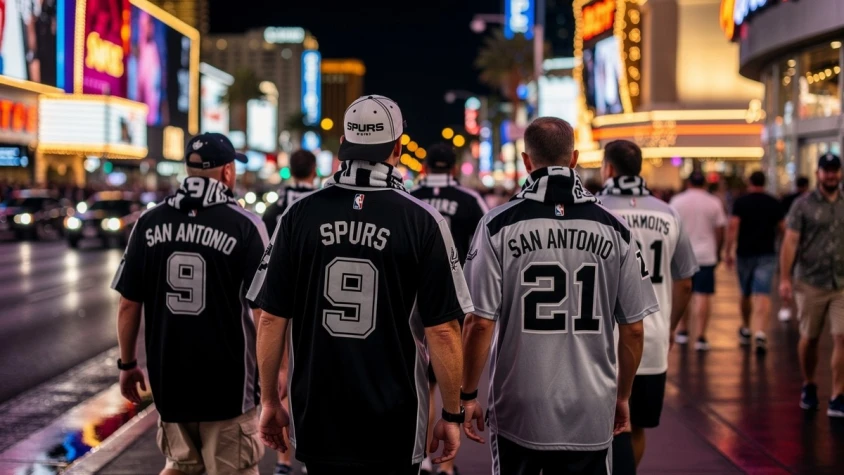
Victor Wembanyama and Spurs Sports & Entertainment purchased flights and hotel rooms for San Antonio's Jackals fan section to attend Tuesday's NBA Cup Final against the Knicks in Las Vegas. This isn't a publicity stunt or a corporate sponsorship activation—it's a 21-year-old franchise player recognizing the people who show up for every home game and deciding they deserve to be there for the biggest moment of the season. That's the kind of gesture that builds loyalty beyond basketball, the kind that makes fans remember why they care about a team in the first place.
The Jackals are San Antonio's organized supporter group, the ones who bring energy to the AT&T Center regardless of opponent or record. They're not casual fans—they're the diehards who create atmosphere, lead chants, and turn home games into actual home-court advantage. Wembanyama recognizing their importance and ensuring they can travel to Vegas for the final shows awareness beyond his years. Most 21-year-olds in his position wouldn't think twice about who's in the crowd. Wembanyama made sure the right people were there.
— Spurs Jackals (@SpursJackals) December 15, 2025
Why this matters more than the money
The financial cost of flying and housing a fan section isn't insignificant, but it's also not remotely a burden for someone making Wembanyama's salary or for Spurs Sports & Entertainment as an organization. What makes this meaningful is the thought behind it. Wembanyama didn't have to do this. The Jackals would've found ways to attend if they could afford it, or they would've watched from home like millions of other fans. But Wembanyama decided their presence mattered enough to remove the financial barrier entirely.
That's what separates genuine gestures from corporate PR moves. This wasn't announced beforehand to generate headlines. It wasn't part of a sponsorship deal or marketing campaign. It was a player and an organization recognizing the value of their most dedicated supporters and acting on it. The fact that we're hearing about it now, the day before the game, suggests it was never about publicity—it was about making sure the right people could be there when the Spurs compete for their first NBA Cup championship.
Home game vibes in a neutral site final
NBA Cup Finals are played in Las Vegas, technically a neutral site, but the reality is that fan presence determines atmosphere. The Knicks will have massive support—New York travels well, and Vegas is full of East Coast transplants who'll show up to support any New York team. San Antonio, by contrast, is smaller, farther away, and less likely to have a natural fan presence in Vegas without organized effort. Wembanyama's gesture ensures the Spurs won't be playing in a de facto road environment.
Having the Jackals there changes the dynamic completely. Instead of scattered Spurs fans mixed with curious neutrals, San Antonio gets an actual organized supporter section that knows the chants, understands the rhythms of the game, and creates genuine energy. That's not just nice for optics—it's tangible home-court advantage, even 1,200 miles from the AT&T Center. Players feed off crowd energy, and knowing their most dedicated fans traveled specifically to support them matters psychologically.
The contrast with how most stars handle fans
Most NBA superstars acknowledge fans generically—postgame thank-yous, social media shoutouts, occasional meet-and-greets orchestrated by PR teams. Very few actually think about specific fan groups and take concrete action to include them in meaningful moments. Wembanyama doing this at 21, in his second season, shows a maturity and awareness that typically takes years to develop. He's not just tolerating fan support—he's actively valuing it and acting on that value.
This gesture also distinguishes Wembanyama from the transactional player-fan relationships that dominate modern sports. Fans buy tickets, players perform, everyone goes home. There's no real connection beyond the commercial exchange. Wembanyama covering travel costs for the Jackals breaks that pattern. It creates a relationship based on mutual respect rather than just commerce. The Jackals support the team because they love the Spurs. Wembanyama is supporting them because he recognizes and appreciates that dedication. That's how you build genuine loyalty that lasts beyond winning seasons.
What this says about San Antonio's culture
This gesture reflects well on Wembanyama, but it also reflects well on the Spurs organization. Spurs Sports & Entertainment partnering with Wembanyama on this shows alignment between the player and the franchise on what matters. San Antonio has always prided itself on doing things the right way, treating people with respect, and valuing loyalty. This fits that identity perfectly.
Other organizations would've seen this as a nice idea but ultimately unnecessary. Fans will watch regardless, so why spend money flying them to Vegas? That's the transactional mindset that dominates most of professional sports. San Antonio—and Wembanyama specifically—rejected that thinking and prioritized the relationship over the bottom line. That's rare, and it's exactly why Spurs fans are among the most loyal in the NBA despite playing in one of the league's smallest markets.
The final tomorrow becomes personal
The NBA Cup Final between the Spurs and Knicks was already significant—San Antonio's first chance to win the tournament, New York's attempt to claim their first major trophy in over a decade. But Wembanyama's gesture adds a layer of personal investment that wouldn't have existed otherwise. The Jackals aren't just watching—they're there because their franchise player made sure they could be. That creates an emotional stake beyond typical fandom.
When the Spurs take the court Tuesday night, they'll see their most dedicated supporters in the stands, knowing exactly why those fans are there. That's not something money can usually buy, even though technically money made it possible. It's the thought behind it, the recognition that these specific people matter, that transforms this from a corporate gesture into something genuinely meaningful. Wembanyama gets that. And that understanding, at 21, suggests San Antonio has something special building beyond just basketball talent.