


Paris Saint-Germain FC
Paris Saint-Germain FC (PSG)
Overview
The Identity - What Paris Saint-Germain Actually Represents
Paris Saint-Germain built their identity through decades of dominance, where winning isn't just expected - it's demanded. Operating at soccer's highest level means different pressures than mid-tier clubs face. This is about maintaining dynasty status while navigating modern soccer's evolving landscape where historical success doesn't guarantee future dominance.
The club's culture developed through years of winning championships, competing for the biggest trophies, and attracting world-class talent. Paris Saint-Germain can outspend most rivals, but money alone doesn't guarantee success - better recruitment, smarter tactics, elite operations separate champions from pretenders. This approach works when execution meets ambition, creating cycles of sustained success punctuated by occasional transition periods.
What defines Paris Saint-Germain in 2025? Championship ambition with global expectations. The understanding that competing means challenging for domestic titles and European glory every single season. For Paris Saint-Germain, success isn't measured in mid-table finishes but in trophies collected and legacies built. These goals might seem standard for elite clubs, but they represent enormous pressure given the expectations and competitive environment.
The Current State - Beyond Win-Loss Records
Paris Saint-Germain's current situation reflects challenges facing top-tier clubs operating under intense scrutiny. Squad depth means managing world-class talent across multiple competitions. Financial power creates transfer opportunities but also inflates expectations. Coaching staff work with elite resources but face corresponding pressure for immediate results.
Analyzing Paris Saint-Germain's performances reveals truths statistics sometimes hide. Possession dominance means nothing without converting chances against defensive opponents. Expected goals models look promising but championship runs require clutch performances in decisive moments. The gap between theoretical performance and actual silverware exposes squad mentality and tactical flexibility under pressure.
Key player contributions determine championship success. When Paris Saint-Germain's star performers maintain fitness and form throughout grueling seasons, trophies follow. When injuries or inconsistency affect key players, even elite depth gets tested against quality opposition. This reliance on both individual brilliance and systematic excellence indicates championship-caliber squad construction that wealth and planning create.
The Direction - Where This Project Heads
Strategic planning at Paris Saint-Germain focuses on maintaining elite status while adapting to soccer's evolution. Continued investment in world-class talent provides competitive advantages. Recruitment targets proven winners and emerging superstars. Tactical innovation allows system optimization rather than reactive adjustments.
The challenge for Paris Saint-Germain is maintaining competitive dominance while managing squad transitions. Elite clubs operate with advantages - massive budgets, world-class facilities, global scouting networks - but these create enormous expectations. Competing requires excellence across all operations while rivals hope to exploit any weakness. That standard defines modern elite soccer and Paris Saint-Germain's place within it.
Transfer strategy reveals organizational ambition. Paris Saint-Germain invests in established world-class performers who contribute immediately and elite young prospects who might become superstars. The approach typically involves pursuing the experienced stars AND the exciting prospects, outbidding rivals for transformative talent. This strategy excites fanbases and reflects financial dominance.
The Players Who Actually Matter
Identifying Paris Saint-Germain's crucial players requires looking beyond individual awards and social media following. The genuinely important players combine technical excellence with championship mentality - world-class creators dictating tempo, defensive leaders organizing back lines, clinical finishers converting crucial chances. These players generate both viral content and actual trophies.
Squad depth at Paris Saint-Germain creates competitive advantages. The starting XI features world-class talent, and bench quality remains exceptionally high. This means squad rotation maintains performance levels across congested match congestion - losing one key player gets covered by elite replacement quality. The medical staff's performance matters alongside tactical decisions for managing workloads.
Player development presents ongoing opportunity. Paris Saint-Germain occasionally produces academy graduates or acquires talented young players who develop into world-class performers. Then these players become cornerstones for sustained success or generate massive transfer profits funding further investment. This talent development complements elite recruitment for building dynasty-level squads.
The Problems Nobody Discusses Openly
Financial advantages in modern soccer create structural benefits Paris Saint-Germain leverages for competitive success. When elite clubs spend more on individual players than mid-tier clubs' entire annual budgets, competing requires consistent excellent execution across all departments. One recruitment success, one tactical innovation, one injury management triumph - these advances compound while less-wealthy clubs struggle recovering from setbacks.
The modern transfer market makes sustainability easier for clubs like Paris Saint-Germain. Develop a talented young player and their value appreciates while contributing to success. Identify an undervalued performer and outbid rivals before prices escalate. Even average recruitment strategies get refined through financial advantages that deeper pockets provide.
Fan expectations at Paris Saint-Germain often exceed even elite-level capabilities. Supporters remember previous championship periods and demand similar dominance without acknowledging how competitive elite soccer has become. The gap between supporter expectations and organizational capabilities creates tension that manifests in criticism of ownership, coaches, and players despite actual performance meeting objective standards.
Squad harmony at Paris Saint-Germain requires careful management. When elite talents compete for positions and playing time, maintaining positive chemistry while maximizing performance becomes crucial. Managing egos, expectations, and ambitions across world-class squads separates championship-winning coaches from those who simply understand tactics.
The youth academy at Paris Saint-Germain serves multiple purposes beyond occasionally producing first-team contributors. Youth development generates transfer revenue when talented prospects get sold to wealthier clubs. Academy presence strengthens community connections and local identity even when hometown talents rarely break through to senior squads. Youth teams provide testing grounds for tactical innovations before implementing systems with first teams where mistakes cost points. These secondary benefits justify academy investment even when direct first-team contribution rates stay relatively low.
Fan culture at Paris Saint-Germain creates dynamics affecting club operations beyond just matchday atmospheres. Supporter expectations shape ownership decisions, influence coaching appointments, and create pressure affecting player performance. The relationship between clubs and supporters involves complex negotiations where meeting fan demands for ambition must balance against financial sustainability and realistic capabilities. Paris Saint-Germain navigates these relationships through communication, transparency, and occasionally making unpopular decisions that prove correct long-term despite short-term criticism.
Loan player management at Paris Saint-Germain creates strategic opportunities and practical challenges. Loaning young players to lower-level clubs provides crucial development experience in competitive environments. Temporary signings fill squad gaps without long-term financial commitments. However, loan deals lack the stability of permanent transfers - players may lack full commitment, parent clubs can recall talents mid-season, and borrowed players never fully integrate into squad culture. Paris Saint-Germain must navigate these tradeoffs when constructing squads that balance immediate needs with development priorities.
The Verdict - Realistic Expectations for 2025-26 and Beyond
Short-term expectations for Paris Saint-Germain in 2025-26 should center on challenging for the Ligue 1 title and advancing deep into European competition. Success means competing until final matchdays while maintaining financial sustainability. Domestic cup competitions provide additional trophy opportunities and squad development minutes.
Medium-term goals (2-3 years) focus on sustained championship contention through elite management. This means building dynasty-level squads within even elite budget constraints, developing young players who either become world-class or generate massive transfer revenue, and creating tactical identity that maximizes elite resources while remaining adaptable.
Long-term direction for Paris Saint-Germain depends on maintaining competitive advantages through smart management and continued investment. The honest assessment shows elite clubs can sustain dominance through superior operations, strategic recruitment, and institutional excellence that compounds over time.
Maintaining this reality means embracing elite ambitions and championship standards. It means channeling organizational efforts toward trophy collection rather than accepting mid-tier objectives. Paris Saint-Germain can control recruitment strategy, coaching quality, youth development, and competitive culture. They can leverage structural advantages elite clubs possess. Success comes from maximizing every controllable factor while capitalizing on competitive advantages. That's professional soccer in 2025 for clubs operating among the global elite.
Latest news
12/17/2025
The Champions League winners face Brazil's Flamengo in Qatar at 9 am PT/12 pm ET, with streaming available on DAZN, Fubo, beIN Sports, and FIFA+.

12/16/2025
Despite strong seasons with Real Madrid and Barcelona, neither forward made the XI as PSG's Ousmane Dembélé claimed top individual honors in Doha.
12/14/2025
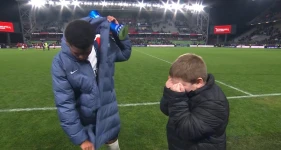
PSG midfielder Ibrahim Mbaye melted hearts after the 3-2 win at Metz by giving his match-worn jersey to a young fan who presented him with the Man of ...
12/10/2025
Wednesday's UEFA Champions League slate delivers nine crucial matches, including Real Madrid hosting Manchester City and Arsenal traveling to Brugge. ...